A slow landing page can make paid traffic less productive. A visitor clicks an ad because it appears relevant, then arrives on a page that takes too long to explain the offer or respond to a quote request. The advertising platform may have delivered the click correctly, but the business has not made good use of it.
That does not mean every speed improvement lowers the price of an ad click. Cost per click, conversion rate, cost per lead and customer acquisition cost describe different parts of the funnel. Understanding those distinctions helps you decide whether the next investment belongs in the campaign, the landing page or the sales process.
Separate the metrics before diagnosing the problem
Cost per click measures the amount paid for clicks. Conversion rate describes the proportion of an agreed traffic group that completes the defined action. Cost per lead relates spend to leads, while customer acquisition cost goes further and depends on which leads become customers and which costs are included.
A lower CPC is not always better if the clicks are irrelevant. A higher form conversion rate is not always better if the form attracts spam or unqualified enquiries. Website speed can influence the opportunity to convert, but it should be evaluated alongside search intent, offer clarity and lead quality.
Landing-page experience is broader than speed
A useful landing page fulfils the promise made in the ad. If the ad offers a local service, the page should explain that service and its actual coverage. If the ad promotes a specific consultation, the page should make the booking or enquiry step obvious. Fast loading cannot repair a mismatch between the promise and the destination.
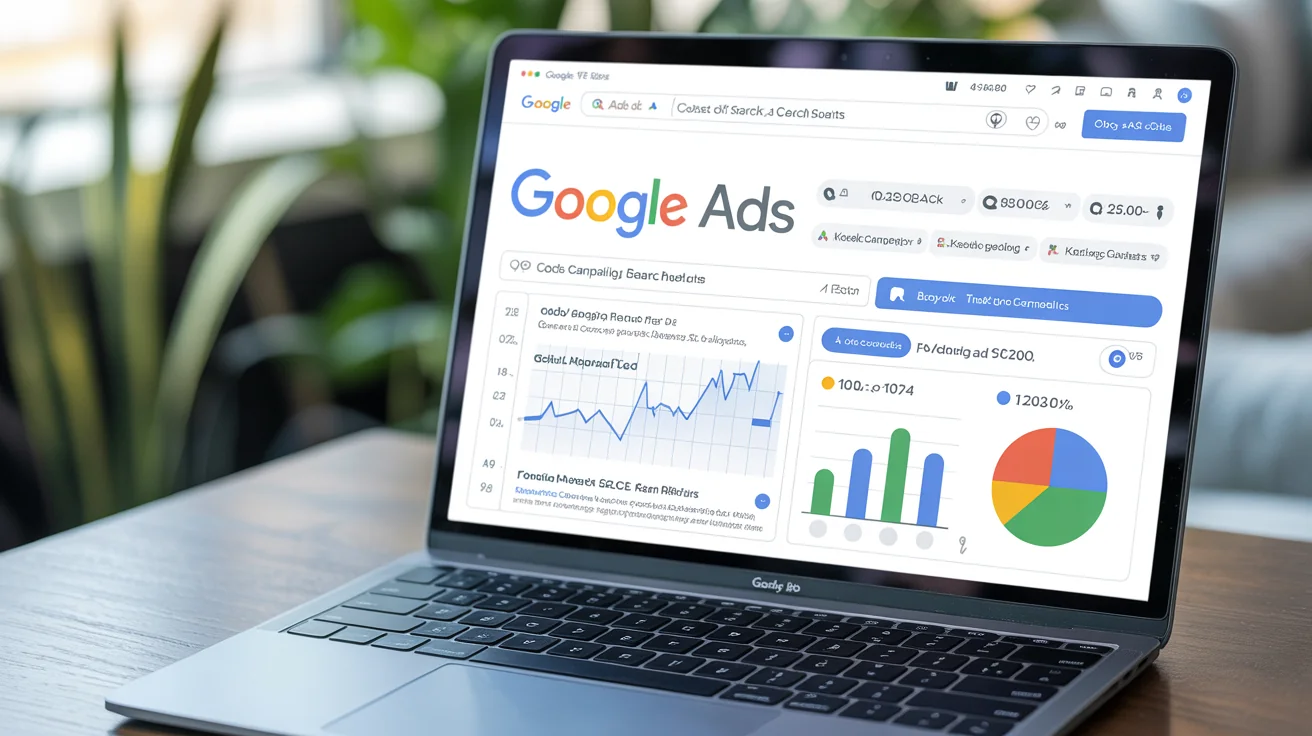
Google describes Quality Score as a diagnostic measure in its Quality Score documentation. It is not itself an input into the ad auction. Auction-time assessments and other factors determine outcomes. Avoid simplistic formulas claiming that a particular PageSpeed score mechanically produces a particular CPC.
Inspect the page as a customer would
Follow the actual advertisement to its destination on a phone. Check whether the first screen confirms the service, whether the call to action is visible and whether a visitor can use it while other resources are loading. Verify that pop-ups or consent controls do not hide the offer or prevent an enquiry.
Also inspect the final destination after redirects and tracking parameters. Testing only the clean homepage URL can miss a slow redirect chain or a different campaign landing page. Preserve legitimate tracking, but remove redundant redirects when they are not required.
Prioritize changes that protect paid visits
The hero image should be appropriately sized, compressed and requested early. Reserve its layout space so the page does not jump. Service illustrations below the fold should use smaller responsive variants and lazy loading. A background video or unnecessary carousel should justify the bandwidth and interaction cost it adds.
Review third-party scripts carefully. Call tracking, consent handling and conversion measurement may have a genuine purpose. Remove only scripts that are unnecessary or duplicated, and test the retained functions after changing their loading order. A faster page with broken conversion tracking can lead to poor campaign decisions.
Do not overlook the form
The enquiry form is often the final and most important interaction. It needs clear labels, mobile-friendly input types and understandable validation. Preserve the visitor's information if a submission fails. Prevent duplicate submissions while a request is pending, and show a truthful result if the request is saved but the email notification fails.
Test the complete path through storage, notification and the destination inbox. A green success message in the browser is not proof that the sales team received the lead. If lead handling is unreliable, increasing campaign spend can amplify the problem.
Design a useful before-and-after comparison
Record baseline performance for the actual landing pages, using consistent mobile and desktop conditions. Note the traffic sources, offer, bidding strategy and conversion definition. Document the release date and the exact changes. Avoid changing the campaign targeting and the entire website at the same time if you want a clear assessment of the landing-page work.
After release, check technical measures promptly, then monitor business outcomes over a period appropriate to traffic and sales volume. Low-volume campaigns can produce large-looking percentage swings from a small number of enquiries. Report counts and context rather than presenting those swings as a dependable improvement.
Use qualified leads as a checkpoint
Ask the sales team to classify enquiries consistently: relevant opportunity, wrong service, outside area, duplicate or spam. If technical performance improves but qualified enquiries do not, investigate message match and traffic quality next. Speed work should remove a barrier, not become an explanation for every marketing outcome.
Where campaign management and development meet
Campaign teams understand the search terms and ad promise. Developers understand loading and interaction bottlenecks. The business understands which leads are valuable. These perspectives should shape the landing-page brief together. A technical ticket that simply says “get a perfect score” misses that commercial context.
Our Google Ads management and website performance work address complementary parts of the journey. The broader page-speed guide explains measurement fundamentals, while our UX and lead-generation article covers interaction barriers.
The practical decision
If the destination page is visibly slow, unstable or difficult to use, correct those issues before scaling traffic aggressively. If it is fast but the enquiries are irrelevant, investigate targeting and the offer. If qualified leads arrive but sales are weak, review response time and qualification. These are connected problems, but they are not interchangeable.
Request a campaign landing-page review with the page URL and the service you advertise. We can help identify which part of the click-to-enquiry journey deserves attention first, without promising a fixed reduction in advertising costs.