More traffic is not always what a small business needs. A contractor may receive enquiries outside the travel area, a clinic may receive requests for treatments it does not offer, and a consultant may attract people seeking free advice rather than a paid engagement. Local SEO is most useful when it helps the right nearby customers understand the offer and take a suitable next step.
A qualified lead is an enquiry that fits the business's service, coverage and commercial requirements. The definition varies by company, so it should be agreed before a campaign begins. Otherwise, a report can celebrate rising form submissions while the sales team struggles with contacts it cannot serve.
Define the customer and the job
Start with the services you want to grow, not a long list of city keywords. Identify the job type, actual service area, common qualification questions and reasons an enquiry may not be suitable. Ask the people handling calls which misunderstandings occur most often.
For a home-service provider, useful distinctions may include urgent repairs versus planned installations, residential versus commercial work and the geographic limit for on-site visits. For a professional service, they may include consultation type, project scope and whether meetings are remote or in person. These details should influence the website and the enquiry form.
Match pages to the customer's search intent
A search for a specific local service usually needs a clear commercial page. A search asking how a service works may need an educational explanation. A comparison query may need balanced criteria. Sending all of these visitors to the same generic page can create confusion.
The service page should explain the offer, who it is for, what happens next and how to contact the business. An article can answer a supporting question and link to that page naturally. This relationship helps a visitor move from research to action without forcing every article to become a sales pitch.
Make coverage clear before the form
State the areas the business genuinely serves. If coverage varies by service, explain the difference. Do not imply a location that does not exist. A prospective customer should not have to complete a long form just to learn that their address is outside the service area.
Connect local discovery with a useful website
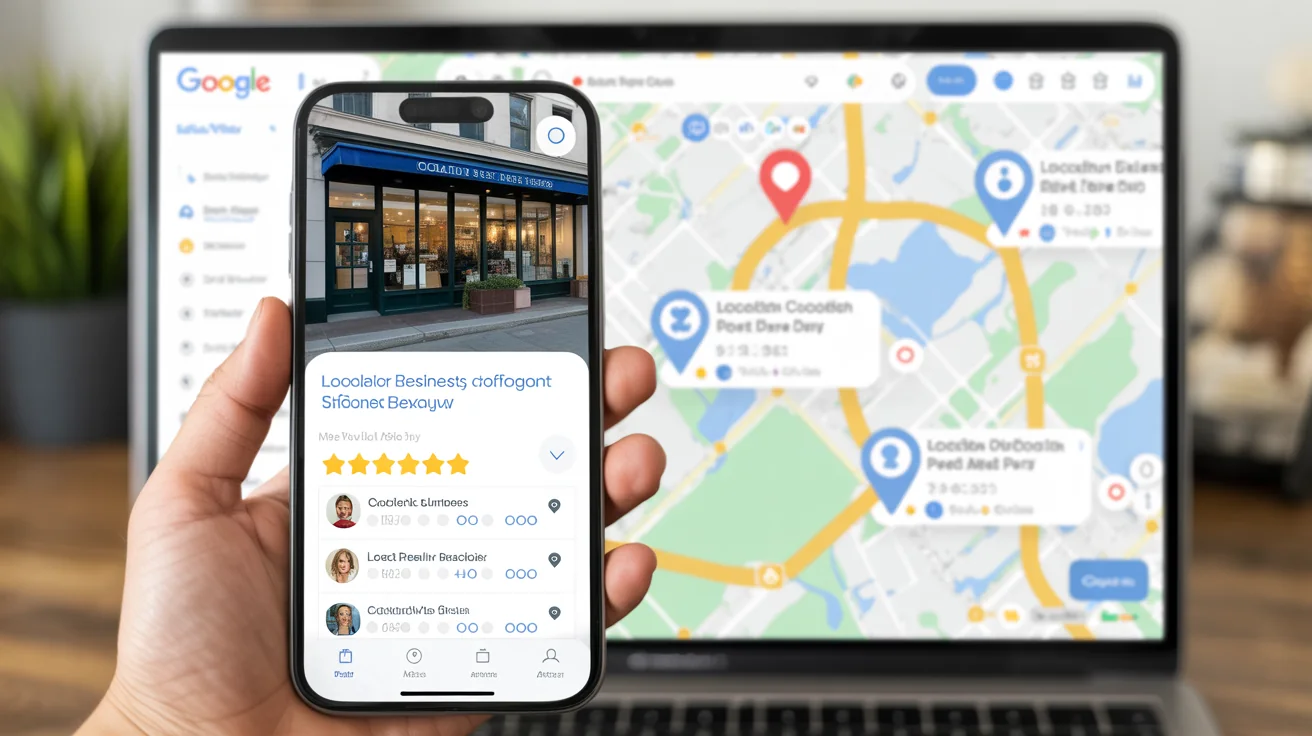
An accurate Google Business Profile can help eligible businesses appear in local discovery, while the website provides detail. Profile categories, contact information and hours should agree with the website. The linked page should work on mobile and explain the service the visitor expects.
Our Local SEO service combines these concerns. A Toronto business may need clear GTA coverage distinctions, while a Calgary business may need accurate quadrant addresses and nearby-community coverage. Those details matter when they reflect real operating decisions.
Build trust with useful evidence
Explain the process and show legitimate credentials or approved project information where available. Use real examples only when the business can substantiate them. Do not invent reviews, client counts or performance statistics to fill a design section.
Trust can also come from transparency: what an assessment covers, what information is needed, what is not included and how an estimate is prepared. A prospect who understands those details can make a better decision than one reading a page full of unqualified superlatives.
Remove barriers from the enquiry path
The quote button should lead to a working form. The form should be easy to use on a phone, with clear required fields and understandable errors. If a phone number is presented as a contact option, verify the destination rather than assuming the displayed vanity number maps correctly to the dialled number.
Submitting the form is only part of the process. Confirm that the data is saved and the notification reaches the team. Explain what happens next, and avoid promising a response time the business cannot consistently meet. A reliable follow-up process is essential to turning visibility into an opportunity.
Do not ask for unnecessary information
Collect enough detail to route and qualify the enquiry, but avoid requesting sensitive personal information at the first step. Optional company and service fields can be helpful. A long mandatory questionnaire may be better reserved for a later stage, after the prospect understands the service and has agreed to continue.
Measure quality, not just volume
Track enquiries by service, source and fit where the available systems support it. Keep the categories simple enough for the team to use consistently. Distinguish legitimate prospects from duplicates, spam, job applications and requests for unrelated services.
Then look for patterns. If one landing page attracts many out-of-area enquiries, improve the coverage explanation and review campaign targeting. If visitors ask the same basic question repeatedly, the service description may be unclear. If leads are suitable but rarely become appointments, investigate follow-up before assuming the SEO strategy failed.
A practical diagnosis for weak results
Check the funnel in sequence: discovery, relevance, usability, submission and response. Do relevant customers find the page? Does the page answer their question? Can they act on mobile? Is the form successful? Does someone respond appropriately? Each stage has different evidence and different remedies.
Speed is part of usability, not a substitute for the rest of the funnel. Read how page speed affects the enquiry journey for practical checks. If the profile and website responsibilities are unclear, our Local SEO vs Maps SEO guide explains how they fit together.
Turn the findings into a focused plan
Prioritize the highest-value services and the most damaging barriers. A broken notification deserves attention before an additional article. An inaccurate service area deserves correction before more traffic. Useful local content can then address the questions that prevent suitable customers from contacting the business.
Request a qualified-lead-focused local SEO review and share which enquiries are most valuable to you. A useful strategy should make that definition explicit and connect technical, content and conversion work to it, rather than treating every visit as equally valuable.