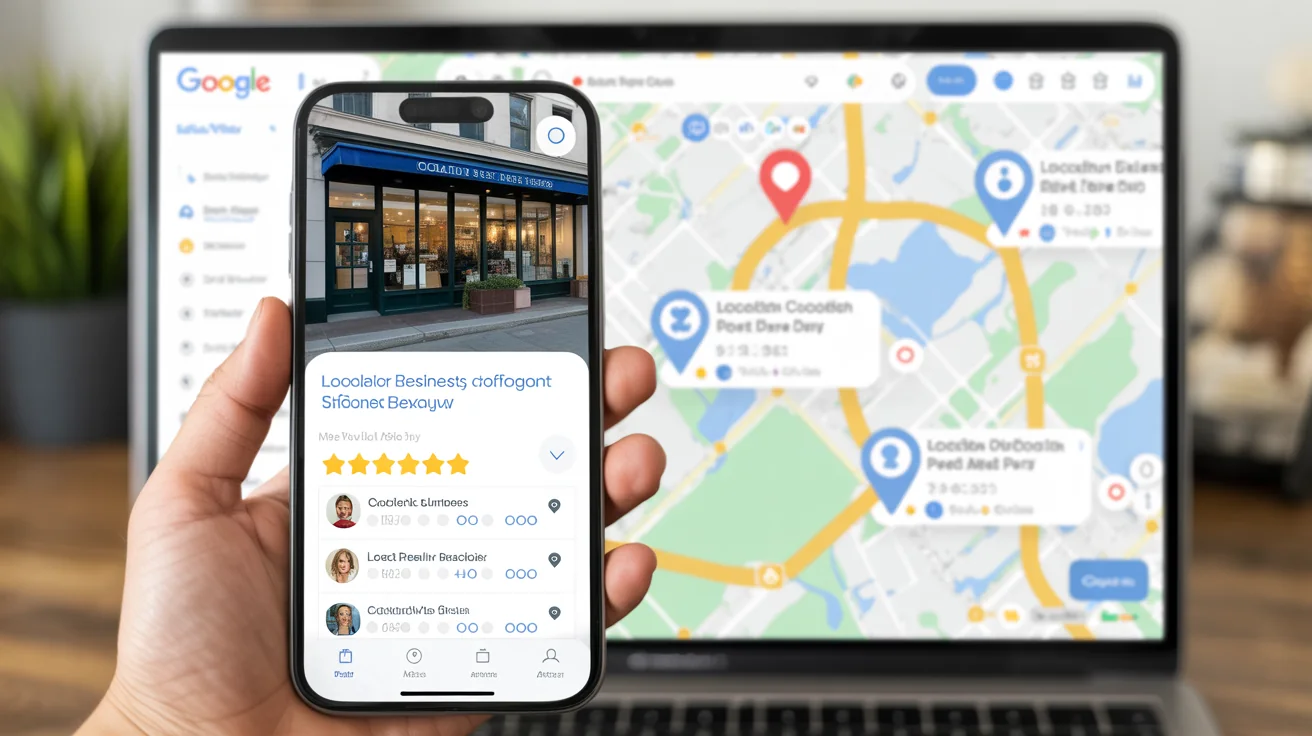
For a local business, Google Maps is more than a pin on a map. It is a place where potential customers compare providers, check opening hours, read reviews, request directions and decide whether to call. If the information is incomplete or wrong, the business can lose an enquiry before anyone reaches its website.
Google Maps optimization means making that decision experience accurate and useful. It is not a method for manufacturing locations or guaranteeing a place in the map pack. The strongest starting point is a legitimate business profile, clear service information and a website that confirms what the profile promises.
Check eligibility and ownership first
Before editing categories or uploading photographs, confirm that the business is eligible for a Google Business Profile and that the correct people control it. Keep access with the business rather than leaving a single former employee or contractor as the only owner. Follow Google's verification process and maintain accurate records of who can make changes.
Represent the actual business. A customer-facing location should use its real premises. A service-area business should follow the rules for displaying or hiding its address. An online-only operation should not invent a storefront to obtain a profile. Google's business representation guidelines explain the requirements.
Understand what local rankings can and cannot reflect
Google describes local results in terms of relevance, distance and prominence. Relevance concerns how well the business matches the search. Distance concerns proximity to the searcher or specified location. Prominence concerns how well known the business is, informed by available signals about it.
Completing profile information helps explain the business, but selecting a wide service area does not move the physical location closer to every customer. A city landing page also does not create a new map location. There is no legitimate way to buy a guaranteed local ranking directly from an optimization provider. Read Google's local ranking guidance for the underlying principles.
Complete the details customers rely on
Use the real business name without adding extra service keywords. Choose accurate categories rather than every category that might attract traffic. Describe services plainly, keep contact information current and maintain normal and special opening hours. A wrong holiday schedule can be more damaging to trust than a missing marketing paragraph.
Make profile and website information agree
The website should confirm the same business identity, service scope and contact route. Check the destination linked from the profile. It should load on mobile, explain the relevant service and make it easy to contact the team. If the business changes its phone number or moves premises, update important listings systematically.
NAP consistency refers to the business name, address and phone information. Consistency is about accurate identity, not obsessing over every harmless punctuation difference. Prioritize incorrect addresses, disconnected numbers and duplicate profiles that confuse customers.
Use photographs that help someone choose
Real photographs of the premises, team at work, service environment or products can help customers understand what to expect. Ensure permission to publish identifiable people and private property where required. Avoid misleading stock photographs presented as actual staff, projects or offices.
On the website, use properly sized, compressed images so mobile visitors are not forced to download oversized originals. Alternative text should describe the image, not repeat a string of city keywords. A skyline can establish geographic context, but it is not evidence that the agency has an office in that city.
Build an ethical review process
Invite genuine customers to share honest feedback using a consistent process. Do not buy reviews, offer incentives, impersonate customers or screen unhappy customers away from the review request. Those practices damage trust and can violate platform policies.
Respond professionally to feedback. Acknowledge the concern without publishing confidential customer details. A negative review is not an invitation to argue publicly or disclose a customer's history. Where a review violates a platform rule, use the reporting process rather than promising the business that every negative review can be removed.
Connect Maps with useful local website content
A profile has limited space. The website can explain service eligibility, project steps, appointment requirements and actual coverage in more detail. A local landing page should answer questions specific to the market, not simply swap the city name into the same sales paragraph.
For example, Calgary local SEO may involve accurate quadrant addresses and realistic travel areas, while Toronto local SEO may need clear distinctions between city neighbourhoods and surrounding GTA municipalities. The content should reflect the client's real operation rather than create fictional branches.
Measure actions and lead quality
Profile views and search visibility can indicate discovery, but they are not the same as revenue. Review available calls, website clicks and direction actions alongside qualified enquiries. Confirm that the phone line and website form work. If call tracking is used, implement it carefully so the business remains reachable and its identity stays accurate.
Rankings vary by location and query. A search performed from the owner's office is not a representative view of every customer. Use a repeatable measurement method and explain its geographic limits. Avoid judging a local strategy solely by a screenshot showing one favourable map result.
A practical maintenance routine
Check business information after changes in staff, hours, services or premises. Review customer questions and feedback for gaps in the website. Test profile links and contact routes. Compare performance with previous periods while accounting for seasonality and changes in service availability.
Our Google Business Profile optimization work connects profile accuracy with the wider website and enquiry journey. Read Local SEO vs Google Maps SEO to understand the scope, or how local search can support qualified leads for the commercial measurement side.
Request a local visibility review if your profile and website are not working together. Share the real service area and the enquiries you want so the assessment begins with useful business context.